Before arriving in Indonesia, I expected the heat to be my biggest challenge. The journey itself had gone far better than expected, despite traveling with months of insulin, FreeStyle Libre sensors and diabetes supplies, something I shared in my previous blog. But once I arrived, my brain immediately found a whole new list of things to worry about.
Would the heat send my blood sugar all over the place? Would I spend every day sweating through my shirt? Would I accidentally order something that looked healthy but contained enough sugar to power a small village?
Being thousands of kilometers away from anything familiar comes with a certain level of uncertainty, especially when type 1 diabetes is traveling with you.
What I didn’t expect was that some things would actually become easier.
The first few weeks in Lombok have taught me a lot about my diabetes. Mostly that my body occasionally ignores the scenarios my brain spent months preparing for.
My First Days with Type 1 Diabetes in Indonesia
After arriving in Lombok, my first priority was not sightseeing, beaches or waterfalls.
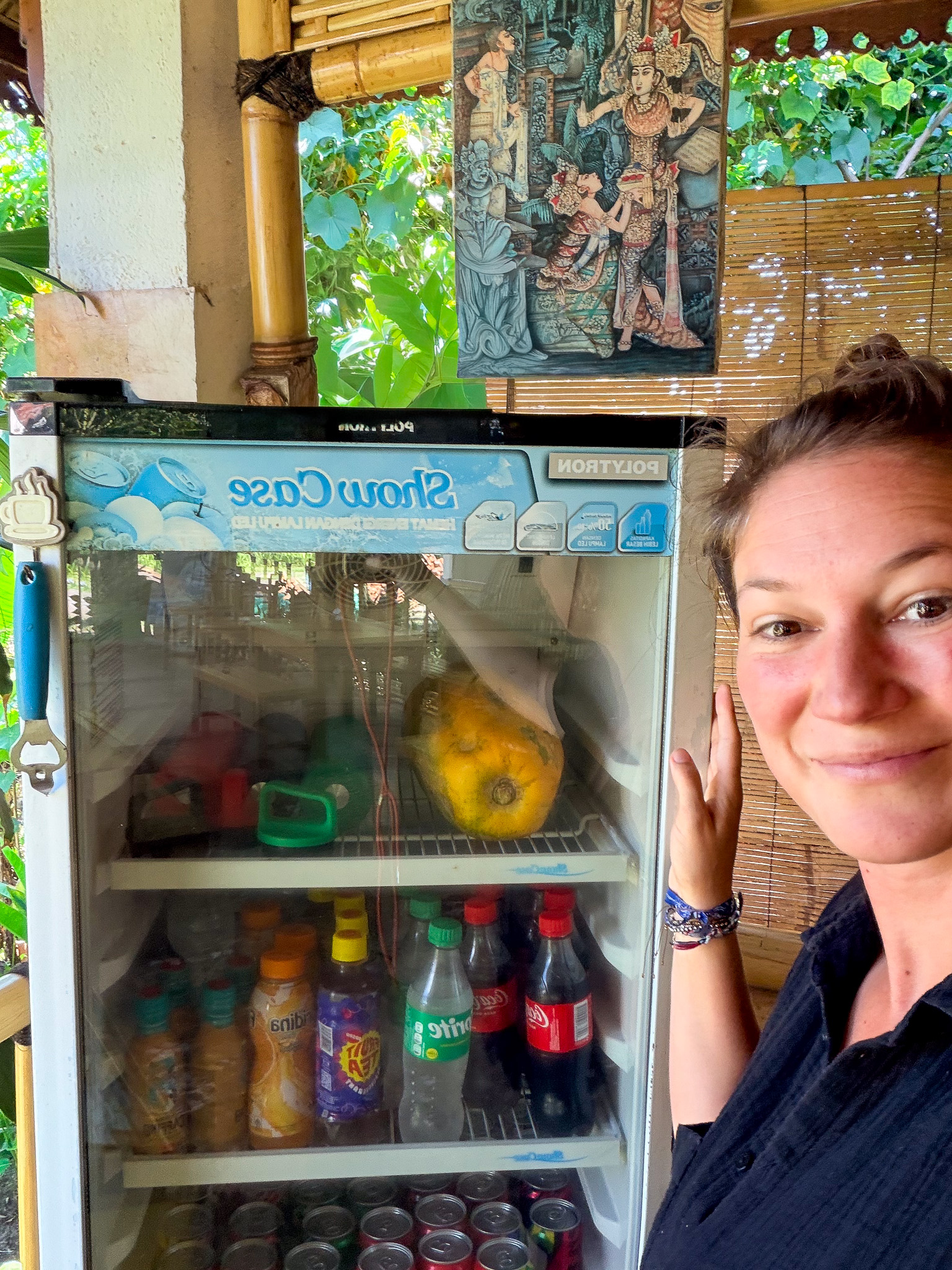
It was finding a refrigerator.
Nothing says “welcome to paradise” quite like walking into a tropical destination and immediately wondering where you’re going to store your insulin.
Before booking our accommodation, I had already contacted them to make sure there would be somewhere safe to keep it. We didn’t have a refrigerator in our room, but the accommodation had one available for guests, which instantly removed one of the biggest worries from my mind.
Looking back, that may have been the most practical lesson of the entire trip so far: always ask before you arrive. It takes five minutes and can save you a lot of unnecessary stress.
What surprised me most, though, was the climate.
Before arriving, I had built up quite a list of things that could potentially go wrong. Tropical temperatures, changing routines, different food, jet lag and diabetes didn’t exactly sound like the recipe for stable blood sugar levels.
Heat can increase insulin sensitivity, trigger sweating, accelerate dehydration and make blood sugar much harder to predict. At least that’s what I had prepared myself for.
Then Indonesia did something unexpected. Almost nothing happened.
Perhaps living in southern Spain for the past two years prepared my body more than I realized, but the transition felt remarkably smooth. I experienced very few unusual fluctuations and none of the excessive sweating episodes that many people with diabetes describe when visiting hot countries.
Even with the combination of jet lag, tropical temperatures and completely different food, my glucose levels remained surprisingly stable. For me, stable means spending most of my time between 4 and 12 mmol/L.
Considering that I had just moved my life to the other side of the world, crossed multiple time zones and started eating food I couldn’t even pronounce half the time, that felt like a much bigger victory than I expected.
Indonesian Food and Blood Sugar
One thing that became clear almost immediately was that Indonesia and sugar seem to be very good friends.
It didn’t take long to notice a pattern. Rice appeared at almost every meal, sweet soy sauce was never far away, and many of the dishes I tried had a sweetness to them that I wasn’t used to back in Europe.
Then there were the drinks.
More than once I ordered a tea, coffee or fresh fruit juice, fully convinced I was making a sensible choice, only to discover that sugar had already joined the party before the drink even reached my table.
Very quickly, one of the most useful phrases in my vocabulary became: “Without sugar, please.”
The funny thing is that the food itself turned out to be far less challenging than I expected. Before arriving, I imagined constantly guessing carbohydrates, dealing with unpredictable blood sugar spikes and wondering what exactly was hidden in every meal.
In reality, diabetes worked the way it usually does.
The first few days felt unfamiliar. Then patterns started appearing. Certain meals affected me in predictable ways. Certain foods barely moved my blood sugar at all. Slowly, I stopped guessing and started learning.
And that’s something I’ve noticed before, both with diabetes and with travel. The things that seem complicated on day one often become part of your normal routine by day ten.
What felt unfamiliar slowly became familiar. What felt uncertain slowly became manageable. And before long, ordering food in Indonesia no longer felt very different from ordering food anywhere else.
When Traveling Causes More Hypos Than Highs
One of the biggest surprises since arriving in Indonesia is that I am dealing with more low blood sugar episodes than high ones.
If you had told me that before leaving, I probably wouldn’t have believed you.
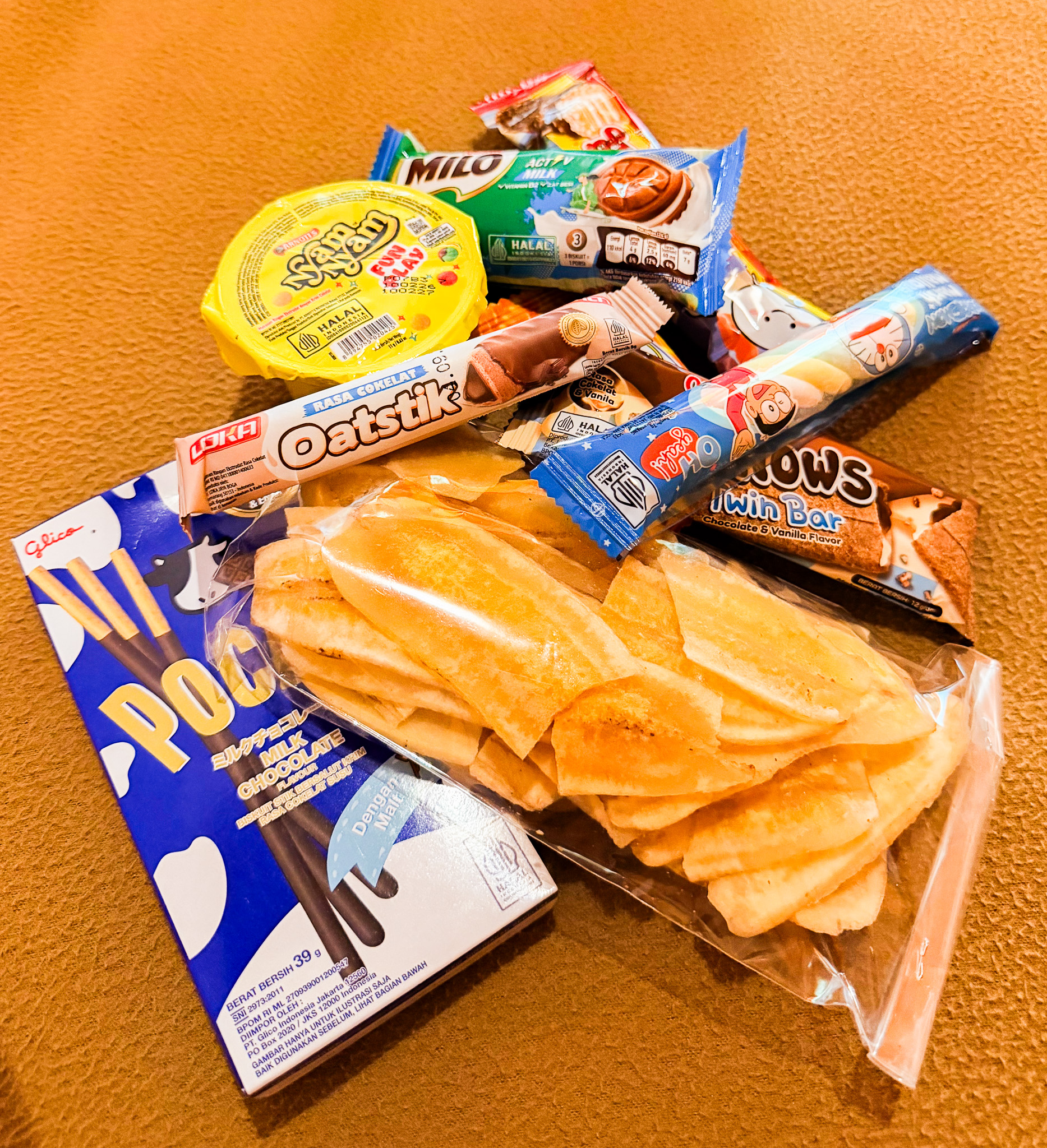
I spent months thinking about insulin, sensors, cooling systems and airport security. Meanwhile, it turns out the thing demanding most of my attention right now is a handful of sweets in my backpack.
The reason is simple. We move more. Much more.
Walking through villages, climbing endless stairs, exploring waterfalls, hiking through rice fields and spending entire days outdoors creates a level of activity that simply didn’t exist in my previous routine.
The moment I push a little harder physically, my blood sugar can suddenly start dropping. Sometimes much faster than I expect. Because of that, carrying fast-acting sugar has become just as important as carrying insulin.
Back in Europe, I rarely thought about that. There was almost always a supermarket, gas station or convenience store nearby. If my blood sugar dropped unexpectedly, finding something sugary usually wasn’t a problem. That assumption becomes a lot less reliable once you start exploring remote parts of the world.
There are places here where you can walk for hours without seeing a shop. Places where there are no restaurants, no supermarkets and sometimes barely another person. I learned that lesson months ago when I found myself desperately searching for sugar and eventually had to knock on a stranger’s door to ask whether they had anything sweet in the house.
The stress of that moment stayed with me though. So nowadays I carry far more sugar than I think I need. Because when it comes to treating a low blood sugar, running out is not a mistake you want to make twice.
And strangely enough, traveling with diabetes has taught me that sometimes the most valuable thing in your backpack isn’t the medication you spent months planning for.
It’s the candy bar you almost forgot to bring.
Learning How Diabetes Works Around the World
One thing I want to do in every country we visit is understand how diabetes care works locally.
Not because I need it right now, but because I think it is important to know what my options are long before I actually need them.
How do you get insulin? Do you need a prescription? Can you buy it directly? What does it cost? What happens if a sensor fails? How accessible is diabetes care if something unexpected happens?
At the moment, I still carry enough supplies to last for many months. In fact, I have so much insulin and so many diabetes supplies with me that there is currently no reason to buy more, and honestly, no place to store it either.
Still, curiosity got the better of me.
Over the past few weeks, I have walked into several pharmacies and drugstores in Lombok to ask whether they sell insulin. Every answer was the same. They told me they do not sell it and advised me to visit a medical centre instead.
Whether that means insulin can be purchased there, prescribed there, or obtained through an entirely different process is something I still need to investigate.
For now, I am simply gathering information.
What Traveling Is Teaching Me About Diabetes
One of the most unexpected discoveries so far has nothing to do with insulin, airport security or even blood sugar itself.
It has to do with water.
Not exactly the groundbreaking travel revelation I expected to have while exploring Indonesia, but here we are.
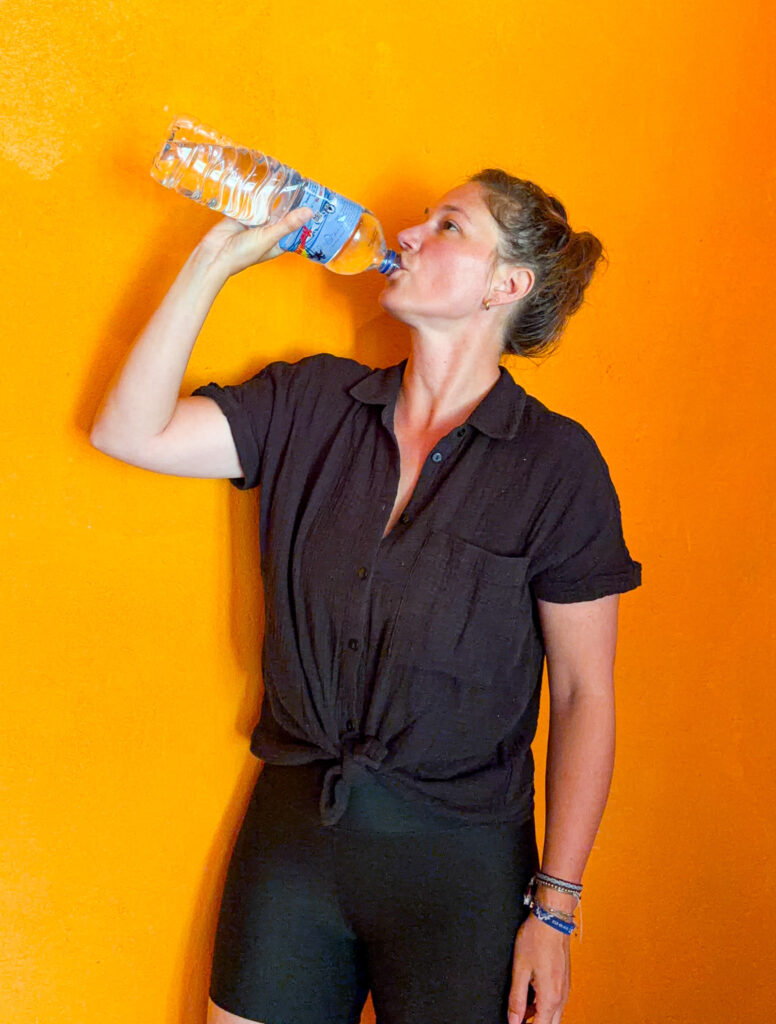
The more I travel, the more obvious the connection becomes. If I drink enough water, my insulin seems to work better. My blood sugar responds more predictably. Everything feels a little easier. If I don’t drink enough, I usually notice it sooner or later. Sometimes my blood sugar becomes harder to control. Other times the effects only show up a few hours later.
What makes this particularly frustrating is that drinking water has always been something I struggle with. I simply seem to have a remarkable talent for forgetting that humans need water to function.
So these days you’ll often find me carrying a large water bottle around like it’s some kind of emotional support accessory. And the annoying thing is that it actually works. The more consistently I drink, the more stable everything seems to become.
It sounds almost too simple to be worth mentioning. But so far, it may be one of the most effective diabetes tools I have.
Type 1 Diabetes Travel Lessons so far:
- Ask about a refrigerator before you book.
- Airport security is usually less scary than your imagination.
- Bring your medical letter anyway.
- Your insulin doesn’t need a five-star hotel.
- Indonesia and sugar are in a committed relationship.
- Water is insulin’s best friend.
- Moving more means carrying more sugar.
- People with diabetes live everywhere.
- Stop trying to predict everything.
- The most important diabetes supply isn’t always the one you spent the most money on.
- After twenty years with diabetes, trust yourself a little more.
No responses yet