Standing at the Edge of a New Beginning
It has been a month since I wrote my first diabetes blog and something has shifted. I am not traveling the world yet but mentally I am already somewhere between packing lists, insurance documents, conversations with doctors and late night thoughts, about the unknown future. Even though I am still sleeping in my own bed every night my life is slowly moving into a new direction and with that shift my relationship with type 1 diabetes is moving as well.
There is an emotional tension in this phase. I am not on the road yet and still everything feels different already. Preparing for full time world travel with type 1 diabetes brings up a mix of courage fear resistance and hope all at once. It is a strange in between place where I am not letting go of my old life yet and not stepping into the new one either. And somewhere in that space diabetes sits next to me reminding me that this journey is not just about exploring the world but also about learning how to care for myself in ways I have avoided for years.
The Challenge I Am Facing Right Now
Health Insurance
The biggest challenge so far is health insurance. I hoped to find an international insurer that would cover my type one diabetes, but the answer everywhere has been the same. Diabetes is excluded. No medication. No materials. No check ups. No emergencies related to it. It felt unfair at first, but eventually it helped me make the decision to choose a different kind of coverage.
We selected SafetyWing because it offers solid worldwide protection for unexpected or acute medical care, even though it does not cover my diabetes. That means every diabetes related cost will be ours. Medication. Sensors. Needles. Check ups. Everything. It forced us to include a new category in our monthly budget, one that keeps us financially prepared for a body that does not always follow the plan.
Insulin and Supplies
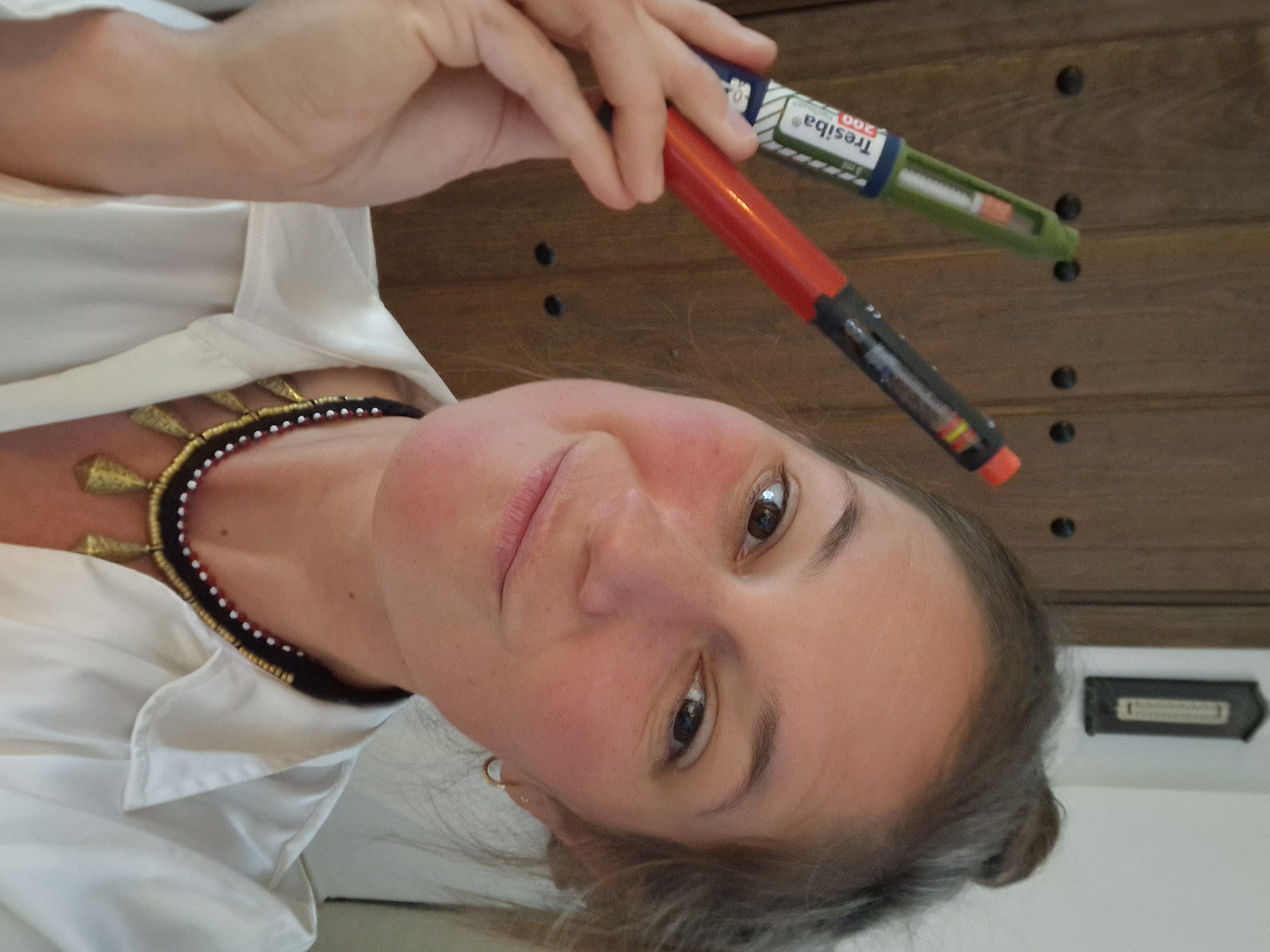
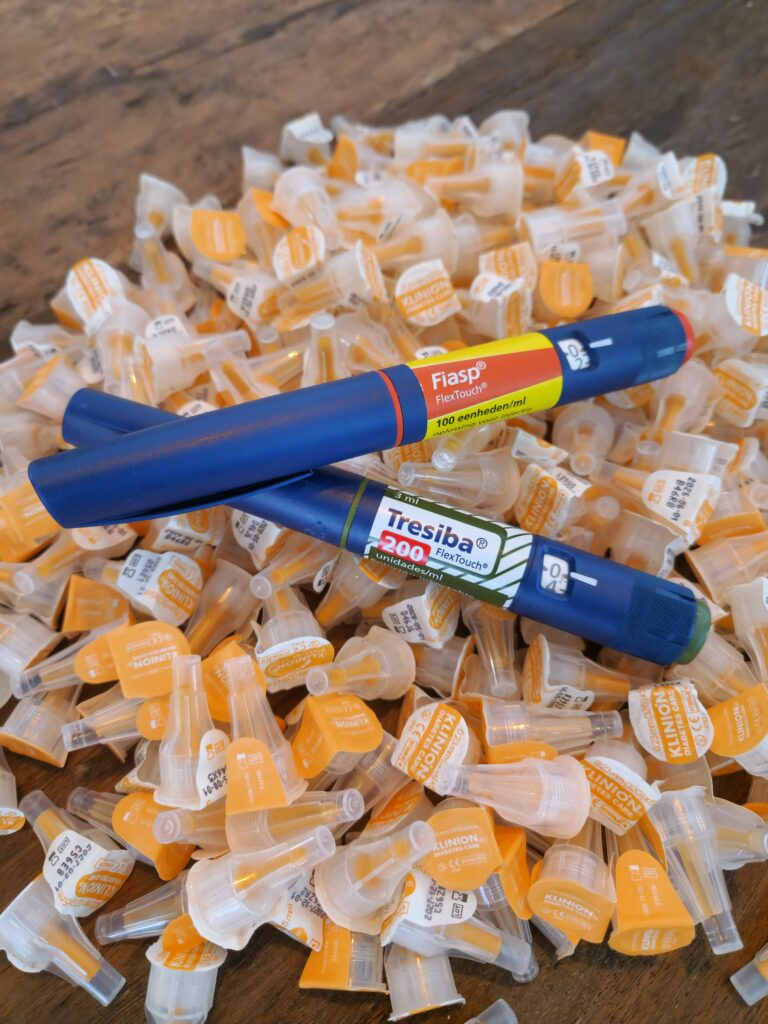
Another challenge is preparing for the fact that insulin and diabetes supplies differ a lot from country to country. My usual insulin, Fiasp and Tresiba, is not available everywhere. Some countries work with other brands, other ratios or completely different types.That means researching how fast new insulins work, how they peak and how long they last. It also means accepting that my body will need time to adjust, especially because my diabetes has never been perfectly stable in the first place. This scares me, and yet it is also strangely empowering, because it reminds me that my body is capable of learning new rhythms.
Extra free medication hand luggage
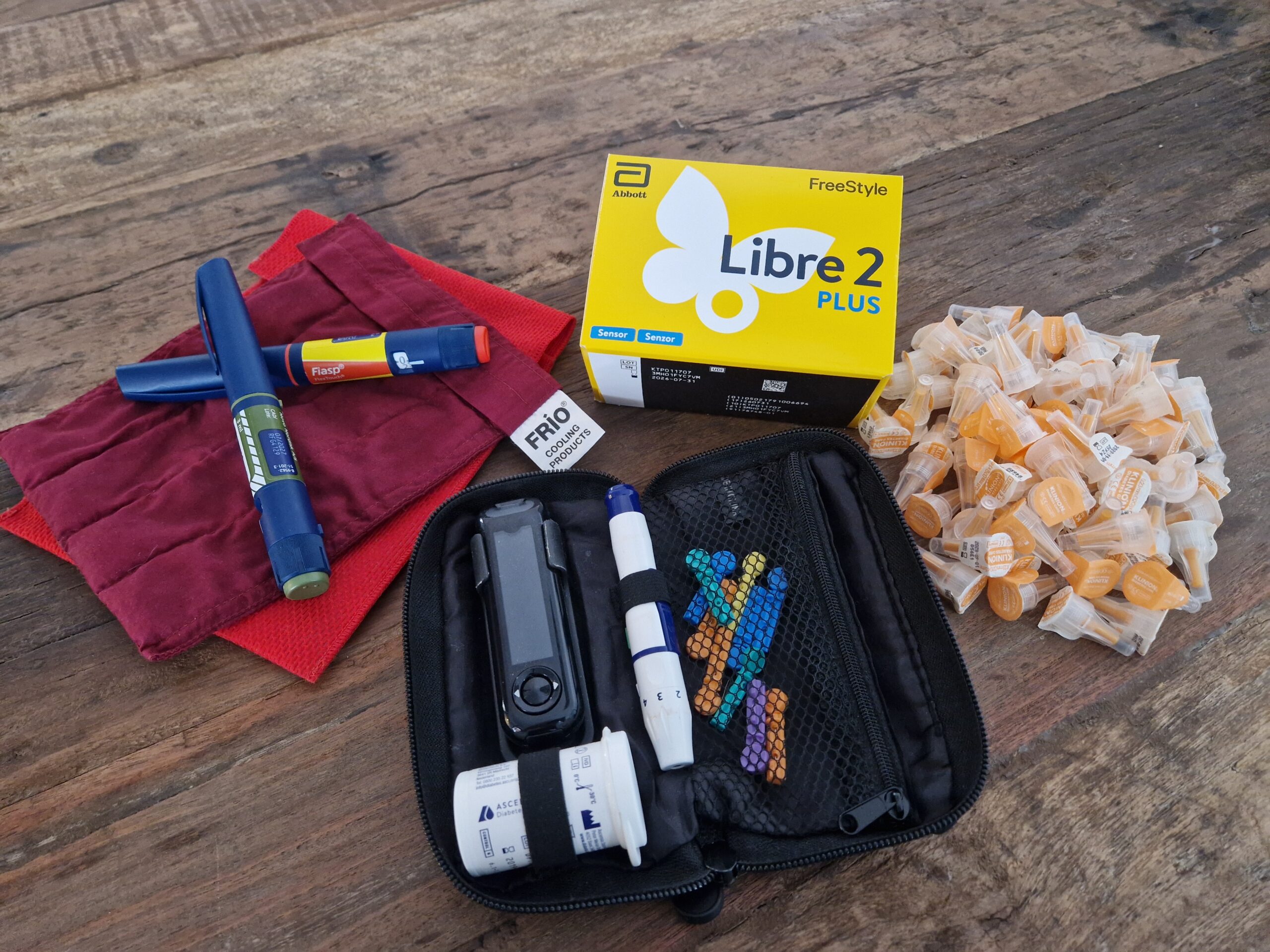
And then there is the practical side of carrying medication through airports. I have already learned that I am allowed to bring an extra piece of hand luggage solely for medical supplies. It must stay with me at all times and cannot be checked in. Security is not allowed to refuse it or charge extra for it, which brings a bit of relief, even though it can still cause discussions or problems at the airport or with the airline, but it certainly won’t stop me. The current plan is to carry nine months of insulin and around six to nine months of materials such as sensors, needles and penfills.
Getting Insulin Abroad: Pharmacies, Prescriptions and First Steps in Every Country
As if that is not enough, each country has its own rules. In some places you can walk into a pharmacy and buy insulin over the counter. It feels almost unreal when you are used to a system of prescriptions and appointments. However, in most countries you still need to see a doctor or visit a local clinic first. Because of that, our first stop in every new country will not be a viewpoint or a market. It will be a hospital or a doctor’s office in a bigger city where we can arrange the next months of medication and materials. It is not romantic, but it is real. And it will be part of our new rhythm.
How I Am Dealing With It
I wish I could say I am handling all of this with perfect grace, but honesty feels more important than perfection. Some days I feel powerful and ready for anything. On other days I get overwhelmed by the list of things that need to be arranged before we leave. There are moments when I want to ignore everything and pretend I am a person who can travel light and free without thinking about blood sugars or time zones. Those moments are usually followed by quiet acceptance. The kind that comes when I remind myself why I am doing this. I am choosing a life that is bigger than my fear.
Because of that, I have started creating routines that help me feel more grounded. I test more often. I plan ahead. I read about health systems in different countries. I talk with people who have done similar trips. And whenever I feel resistance, I try to pause instead of run. This preparation phase is teaching me to move away from the old pattern of ignoring my diabetes until it becomes loud. Instead, I am learning to meet it early with patience and attention.
Practical Tips and Insights for Anyone Preparing to Travel With Type One Diabetes
If you are preparing for long term travel with type one diabetes, here are some things that have helped me immensely.
- Choose health insurance that protects you for acute and unexpected care. Even if your diabetes is excluded, make sure you have strong global coverage for everything else.
- Plan your medication strategy early. Check which insulins are available in the countries you will visit and learn about the alternatives before you need them.
- Carry as much as possible in your hand luggage. Most airlines allow an extra medical bag specifically for insulin and materials without additional costs.
- Bring a long term supply. I am aiming for nine months of insulin and six to nine months of materials to bridge the gap while figuring out new health systems.
- Understand local rules. In some countries you can buy insulin directly at the pharmacy. In others you need to visit a hospital or doctor first. Your first stop in major cities will often be medical, not touristic.
- Prepare mentally. Fulltime travel with diabetes requires flexibility, research and patience (slow travel). Knowing that helps you find your rhythm sooner.
Closing Thoughts and Feelings
I want to show that it is possible to live a brave and beautiful life with type one diabetes. I want to prove to myself that I can grow, adapt and move even when the road ahead is uncertain. Most of all I want to live honestly. Not perfectly. Just honestly.
This story is still becoming. And I hope that by sharing it, someone out there feels a little less alone and a little more courageous in their own journey.
Two Wild Nomads. Stories about freedom, growth and choosing the life that feels right.
No responses yet