Somewhere in the last few weeks, something shifted. Not just around me, but inside my body.
Right before we left, I was actually doing quite well. For me, that means my blood sugar levels were relatively stable, not perfect, but balanced enough to feel calm in my own body. If you read my previous blog, you know that this was the phase where everything felt like it was about to change, but hadn’t yet. What made that surprising was everything happening around it. There was stress, pressure, and a constant sense of moving from one place to another to arrange the last details before leaving. Normally, that kind of chaos shows up immediately in my numbers.
But this time, it didn’t. Almost as if my body was quietly supporting me through it.
Looking back, I think it had everything to do with my rhythm. My mornings were still mine. I would start with protein, avoiding immediate sugar spikes, and even in the middle of uncertainty there was still something steady underneath it all. And then we left. We handed over the house, closed that chapter, and that same day we slept in a hotel. The next morning we had breakfast, a simple tostada with tomato and olive oil. Nothing extreme, nothing out of the ordinary. And still, it felt like a turning point.
Not in a dramatic way, just subtle, almost unnoticeable at first, but enough to feel that something inside me had shifted. From that moment on, things started to change. During the five-day drive to the Netherlands, our food became different. There was more bread, sweetened yogurt, quick choices, and less routine. And slowly, I felt it slipping.
My numbers started rising again, not just slightly, but at times going up to 25 mmol/L, which is around 450 mg/dL. And the strange part is that I didn’t always feel it right away.
When Your Body Feels Normal, But Isn’t

After almost twenty years with diabetes, your body adapts. I can function while being high, have conversations, laugh, continue my day, and sometimes not even realize how far off I actually am. It becomes normal again, faster than I would like.
But I’ve also experienced the other side. When I’ve had a few weeks where my levels stay between 4 and 12 mmol/L (roughly 70–215 mg/dL), everything feels different. The moment I go above that again, I notice it immediately. I get tired, a bit short, less patient, and when I come back into that 4 to 8 mmol/L range (about 70–145 mg/dL), it almost feels like relief.
There is more energy, more clarity, a lighter version of myself, and every time I feel that, I think the same thing: this is worth it.
The Part No One Really Talks About: The Psychological Side
When my blood sugar starts drifting again, my first reaction is not discipline, it is disappointment. That quiet thought of here we go again, followed by resistance rather than motivation. If it is already off, then why try so hard?
And before I even fully realize it, I check less, I delay things, I tell myself I will fix it later. I know exactly what I should do, but I don’t always do it, not because I don’t care, but because somewhere in that moment I feel like I have already failed.
What makes that hard to face is that this pattern doesn’t show up in other parts of my life. I am someone who shows up, who finishes things, who takes responsibility. I don’t walk away when something gets difficult. But here, sometimes I do, and being on the road makes it harder to ignore that.
Learning to Create Stability on the Road
Being in a new place every few days also shows me how much my body depends on routine. If I want my body to feel stable, I need to create that stability myself, every single day.
It starts in the morning, with checking my blood sugar, actually adjusting when needed, not skipping my long-acting insulin even when the day feels chaotic, and making a conscious choice at breakfast instead of just eating what is there. Even moving a little, just a few exercises, already makes a difference.
It sounds simple, but it isn’t always easy. Yesterday I forgot my night insulin and only realized it at the end of the afternoon. Those are the moments where I see how quickly things can slip when everything around me is changing, and also how important it is to come back. Not perfectly, but just to come back.
There have already been moments where I thought, how am I going to do this? With different time zones, food I don’t recognize, ingredients I can’t read, and situations I can’t predict. Do I eat it or not? Do I accept that my numbers might be higher for a while? Am I okay with that?
And then, underneath all those questions, there is a quieter answer. Nancy, you know what to do. Not perfectly, but enough. You know how your body feels, you know what helps, and even though the last twenty years haven’t always felt like control, I am starting to trust that I can build something new here. Not control, but consistency.
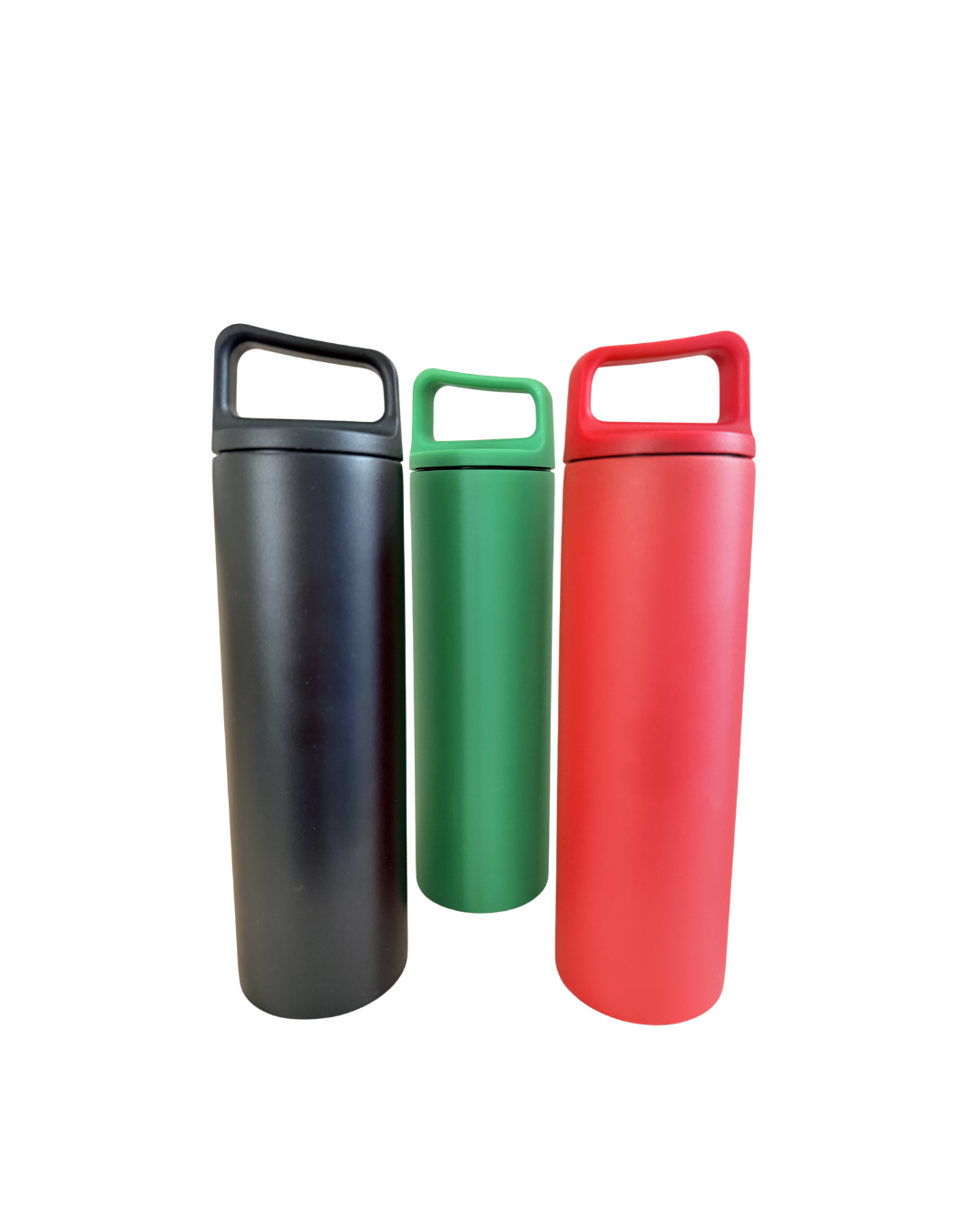
What I Brought for Traveling with Type 1 Diabetes
Before we left, I thought I needed to feel safe because of what I carried. I had this idea that if I brought enough, I would feel prepared. But when I actually started packing, it didn’t feel like safety. It felt like reality.
Counting everything, calculating days, looking at how much space it would take, and realizing how much my diabetes physically takes up when it is no longer hidden in drawers at home, but packed into a bag.
I had to adjust from nine months to six, not because I wanted to, but because it made sense. And surprisingly, that didn’t make me feel unsafe.
What I noticed instead is that I don’t rely on everything I carry. I rely on a few things that keep my body familiar while everything else is changing. My insulin, the one I know, and my sensors, the feedback I trust. Those two together give me space to adapt to everything else.
The rest supports that. The cooling systems, the needles, the backup finger prick devices, they matter, but they are not what grounds me.
And then there is what I didn’t bring.
No snacks from home. No familiar sugar as a safety net. Because the truth is simple: sugar is everywhere. What matters is whether I stay aware enough to have it with me when I need it.

And slowly, I am starting to see something else. People with diabetes live everywhere. There are pharmacies, hospitals, systems I have never seen before but that exist regardless of whether I understand them yet. I am not the only one doing this, and I don’t have to carry everything to be okay.
I used to think preparation meant control, that if I planned enough, I could prevent things from going wrong. But this journey is teaching me something different.
I can prepare, I can show up, I can take responsibility for my body, and at the same time I can accept that I will not have all the answers before I arrive somewhere new.
Those two can exist together.
And maybe that is the biggest shift happening right now. Not just in my numbers, but in how I relate to them. Less fighting, less ignoring, more noticing, more coming back.
Not perfect, but real. And for now, that is enough.
Two Wild Nomads. Stories about freedom, growth and choosing the life that feels right.
No responses yet